Marital life is a challenging journey edenbookings.com. Across Canada, partners have found an unusual but effective tool for bonding: joint recreational pastimes that give their minds a rest from everyday stress. This article looks at how scheduled pauses, which can feature online gaming such as the Book of El Dorado slot, act as a modern partner to conventional counseling. The objective is not to avoid issues. On the contrary, it’s about building joint, stress-free moments that reestablish trust and encourage dialogue. When couples step away from heavy conversations into a cooperative or parallel fun activity, they commonly become less defensive. They rediscover a fun-loving nature, which builds a healthier foundation for when they return to the therapeutic work.
Every Modern Canadian Pair’s Desire for Therapeutic Intervals
Today’s life in the Great White North accelerates. Monetary stress, the struggle for work-life balance, and daily stress can erode even strong relationships. Therapy that zeros in on issues without pause, with no break, can cause emotional fatigue and grudges. Lasting recovery usually needs a rhythm. It requires time focused then time off. Intentional intervals from the rigors of counseling give couples space to subconsciously process insights. These breaks aid in calming the fight-or-flight response during disagreements. Most simply, they let people remember how to enjoy each other’s company. Such breaks do not signify defeat. They represent a planned respite that prevents burnout and, eventually, improves the outcomes of treatment.
How Shared Leisure Hobbies Strengthen Bonds
Shared leisure operates on a fundamental psychological idea: positive association. While a duo engages in a fun, collaborative, or lightly competitive activity as a unit, their nervous systems release substances such as dopamine and oxytocin. These increase feelings of pleasure and bonding. That biochemical change can momentarily break old habits of negative interaction. It generates fresh, positive experiences connected to their partner. For couples in Canada, the specific activity is secondary. This might involve walking a local route, making a feast, or participating in a game. The crucial thing is that it restores a sense of unity. They engage in cooperation. They interact in a environment where the stakes are minimal. The pair bond without words. These abilities carry over immediately to better conflict resolution in the partnership overall.
Presenting the Book of El Dorado Slot as a Shared Experience
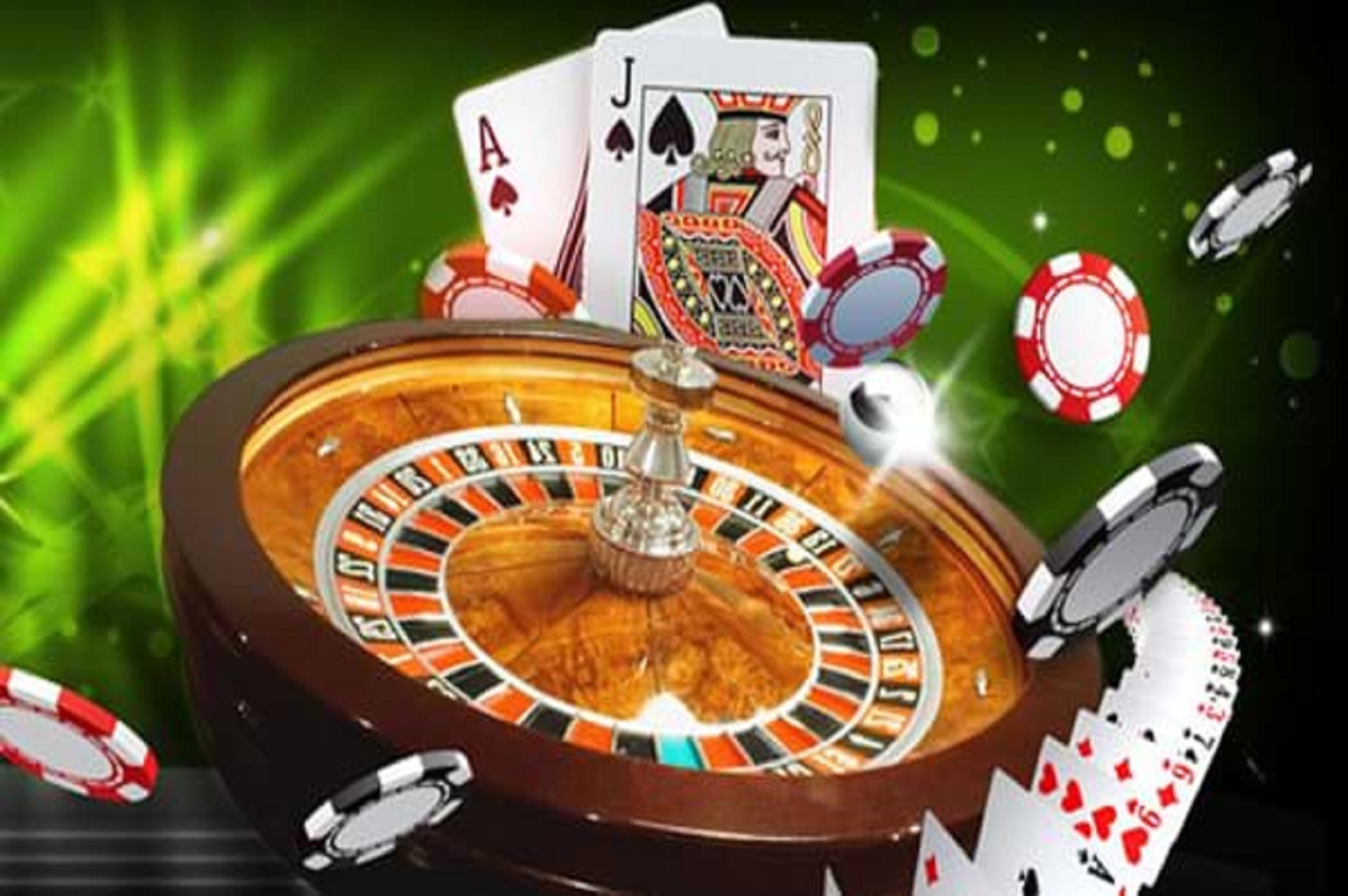
The Book of El Dorado slot machine delivers a unique form of common downtime. Its storyline of adventure and discovery in an ancient city gives a narrative escape for couples. The game mechanics are easy. They need no complex strategy, so partners can concentrate on the mutual journey instead of learning complicated rules. Partners can alternate choosing options. They can cheer little victories together. The graphics and elements can stimulate light-hearted conversation. This establishes a common focus outside of their own issues. It enables organic, effortless engagement that can dispel the tedium of challenging emotional efforts.
Creating Healthy Boundaries for Recreation Breaks
Introducing any type of recreation, such as online slots, into a therapeutic break needs clear and healthy boundaries. This should be a scheduled, time-limited activity both partners approve of. It must not become a way to sidestep problems. Couples should decide in advance on a strict time limit. They ought to also set a financial limit of zero, or a very small, disposable amount regarded purely as an entertainment cost. The main goal ought to always be connection and relaxation, not earning money. Clear parameters like these ensure the activity serves as a constructive, controlled respite. They stop it from bringing new sources of stress or conflict into the relationship.
Enhancing Counseling with Healthy Dynamics
The true value of a break activity is how it reinforces clinical sessions by encouraging healthy behaviors. After a appointment that might involve sensitive matters, a mutually enjoyable activity like enjoying a game can act as a “relational refresh.” It enables spouses immediately practice acting with care, encouragement, and humor with each other in a different environment. This assists in decoupling their spouse from the argument. It allows them to re-engage with the partner they deeply value. For Canadian couples undergoing sessions, these mutual uplifting moments become contradicting testimony. They show that pleasure and tranquility are still within reach between them, challenging any negative beliefs about the relationship.
Attaining Equilibrium and Understanding the point to Re-engage
A beneficial therapeutic break serves as temporary. This break is defined by the partners’ ability to smoothly return to their developmental tasks. This equilibrium is subtle. This break should feel refreshing without turning into a lasting diversion. Pairs benefit from deciding on an explicit timeframe, like one designated evening per week. Each partner should deliberately use this time to relax. Realizing the importance to return proves vital. When communication during the break starts to feel lighter, or when an impression of renewed energy surfaces, it usually marks readiness to re-engage with therapy topics. The cyclical rhythm of work and play can make the entire process of marriage counseling feel increasingly endurable and less intimidating for spouses devoted to getting better.
Creating a Resilient Support System within Canada
Beyond planned breaks, Canadian couples should look at building a wider support network. This involves utilizing national resources like the Canadian Association for Marriage and Family Therapy (CAMFT) to find qualified therapists. It covers investigating couple-focused workshops and engaging with community groups. Incorporating an activity such as cooperative gaming should be one small piece of a larger strategy. That broader strategy must prioritize open communication, dedicated quality time, and professional guidance. The objective is to establish a resilient relationship framework. In this framework, fun and relaxation are not an afterthought. They are essential, planned components of maintaining connection. This helps the couple thrive from multiple angles for the long term.
FAQ
Can using an online slot game really serve as a healthy break for couples in therapy?
With strict boundaries, it is possible. The key part is to treat it as a shared, time-limited leisure activity focused on interaction, not gambling. The objective is to build a low-pressure, fun experience that promotes conversation and teamwork. It acts as a mental reset from heavier therapeutic topics. This is effective if both partners are comfortable and agree to the rules beforehand.
How do we prevent a leisure break from becoming an avoidance tactic?
Transparency and scheduling are your top tools. Proactively arrange with your partner and your therapist that these breaks are a planned part of your process. Set a specific day and a firm duration for the activity. If you observe a constant desire to extend breaks or skip therapy sessions, discuss about it openly. This impression might mean you need to adjust your therapeutic approach.
What are some other shared activities for couples in Canada?
Many wonderful alternatives exist. Think about outdoor activities like hiking in a provincial park. You could take a couples cooking class, visit a museum, or work together on a creative project. The underlying principle stays the same. Pick an engaging activity with low potential for conflict. It should allow you cooperate, communicate, and enjoy each other’s company outside your normal routine and the therapy room.
Might these principles aid couples outside of professional counseling?
Certainly, beyond question. Planning shared, uplifting activities is a fundamental part of active relationship upkeep for any couple. Deliberately creating enjoyable, bonding moments solidifies your relationship. It fosters better communication and can stop small issues from growing. This approach is a valuable tool for any partnership trying to nurture its connection.
Where can we find marriage counseling within Canada?
A great resource to start with is the Canadian Association for Marriage and Family Therapy (CAMFT) website. It gives access to a roster of accredited practitioners. Many provincial psychological associations also provide referral services. See if your employer provides an Employee Assistance Program (EAP) with counseling services. Community health centers can be a resource too. Always ensure that the counselor you select is accredited in your region.
Strengthening a marriage in Canada gains a lot from a holistic approach. This strategy blends focused therapeutic work with planned, beneficial breaks. Activities like cooperative gaming, when approached with clear intentions and healthy limits, can be powerful tools for rebuilding rapport and delight. Combining professional support, mindful communication, and shared leisure builds a enduring model. It aids couples navigate challenges and rediscover connection. It ensures their partnership is supported through both earnest commitment and lighthearted play.