The Role of Luck in Gambling
Luck is often viewed as the driving force behind the outcomes in the gambling world. Whenever players engage in games of chance such as roulette or slot machines, they rely heavily on unpredictable outcomes. The very nature of these games presents an exhilarating uncertainty, where a simple spin of the wheel or the pull of a lever can lead to unexpected windfalls or devastating losses. This inherent randomness is what draws many individuals to gambling, as it provides the thrill of possibility—where they can explore fast payout online pokies australia and anything can happen at any moment.
Consider a scenario in a poker game. A player may hold an impressive hand, but luck dictates what cards will be dealt next. This creates a dynamic environment where even expert players cannot entirely depend on their skills alone. Successful gambling often involves an acceptance of this randomness, where participants must acknowledge that their fortunes can change in an instant, regardless of their level of expertise. In essence, luck serves as a constant companion in the realm of gambling, influencing outcomes and adding layers of excitement.
In addition to games with purely random elements, luck also impacts activities that may seem skill-based at first glance. Take blackjack as an example; while players use strategies to minimize the house edge, the luck of the draw still plays a crucial role. A skilled player can improve their chances of winning, but they cannot control the cards that come their way. Thus, luck is intertwined with skill, creating a complex dance that characterizes the gambling experience. Ultimately, luck remains an unpredictable factor that enriches the allure and unpredictability of gambling.
The Importance of Skill in Gambling
While luck can sway outcomes, skill remains a pivotal element in many gambling activities. Expert players spend years honing their skills in strategic games like poker, blackjack, and sports betting. These activities demand not only knowledge but also an understanding of probabilities, psychology, and risk management. A skilled player can analyze their opponents, make calculated decisions, and utilize strategies that can significantly reduce the house edge. This strategic approach demonstrates that while luck is important, skill can often lead to more consistent results over time.
Take poker, for instance. In tournaments, the best players are those who can read their opponents and adjust their strategies accordingly. They understand the mathematical aspects of the game and can compute odds in real-time. This ability to make informed decisions under pressure often separates the champions from the amateurs. Therefore, while luck can influence a single hand, it’s the cumulative effect of skill that tends to determine long-term success in the game.

Similarly, in sports betting, a deep understanding of the sport, player statistics, and other variables can enhance a bettor’s chances of winning. Statistical analysis and predictive modeling are essential tools that skilled gamblers utilize to make informed bets. This combination of knowledge and analytical skill often allows them to find value where less experienced bettors may not see it. Thus, skill is a crucial element that coexists with luck in the gambling arena, enabling informed strategies that can lead to successful outcomes.
The Balance Between Luck and Skill
Finding a balance between luck and skill is essential for anyone involved in gambling. Many players become enamored with the thrill of chance, often forgetting the strategic elements that can enhance their success. This balance is crucial not only for individual games but also for the overall approach to gambling. Players who recognize that both elements play a role are better positioned to enjoy the experience while also increasing their chances of winning. Understanding this balance allows players to adapt their strategies and attitudes, embracing both the excitement of luck and the advantage of skill.
Moreover, integrating skill into gambling strategies can help mitigate the risk involved with games of chance. Skilled players often create a more sustainable approach by setting limits and applying sound betting strategies rather than relying solely on luck. This approach helps them extend their playtime and enhances their chances of profiting in the long run. The key to effective gambling lies in understanding when to lean on skill and when to respect the role of luck, making it a more rewarding experience overall.
Ultimately, the interplay between luck and skill can transform a simple game into a captivating intellectual challenge. Players who develop an appreciation for both aspects of gambling can cultivate a richer experience. They often find that good fortune tends to favor those who prepare and strategize, creating a dynamic synergy between preparation and chance that defines successful gambling. This balance is not just a strategy; it becomes a mindset that players can carry into various aspects of life beyond the gaming table.
The Psychological Aspect of Gambling
The psychology of gambling is a fascinating area where luck and skill intersect dramatically. Gamblers often experience a range of emotions throughout their gaming journey—from excitement and anticipation to anxiety and disappointment. Understanding how these emotions affect decision-making can provide insights into how players navigate the complex interplay between luck and skill. For many, the thrill of potentially winning can sometimes cloud their judgment, leading them to engage in reckless gambling behavior during streaks of good luck or poor decision-making when luck turns against them.
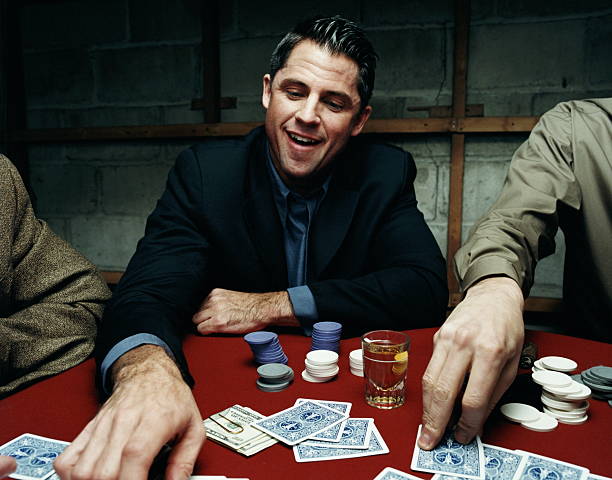
Furthermore, cognitive biases, such as the illusion of control, can skew a player’s perception of skill in games fundamentally driven by chance. Many gamblers believe that their actions can influence outcomes, even in games that are purely probabilistic. This misconception can lead to overconfidence and risky behavior, often impacting their overall strategy and success. Recognizing the psychological aspects of gambling allows players to create more balanced strategies that incorporate both their skillsets and the reality of luck.
Ultimately, appreciating the psychological landscape of gambling can enhance a player’s experience. By acknowledging the influence of emotions and cognitive biases, gamblers can become more self-aware and make better decisions at the gaming table. This self-awareness is vital in maintaining a healthy relationship with gambling, allowing individuals to embrace the excitement of the game while keeping their ego in check. Combining the skills of self-regulation with an understanding of luck can lead to more positive outcomes in the long run.
Exploring Resources for Gamblers
As the world of gambling evolves, numerous online platforms and resources cater to both novice and experienced players, providing valuable insights into the intricate relationship between luck and skill. These resources often include educational articles, strategies for improvement, and simulations that allow players to practice their skills without financial risk. By engaging with these platforms, gamblers can learn to balance their understanding of luck with practical skill development, enhancing their overall gaming experience.
Additionally, many online communities foster discussions where players can share experiences, strategies, and tips. Such environments enable collaboration and continuous learning, as players benefit from each other’s successes and failures. Engaging with a community of like-minded individuals can provide support and motivation for those looking to master games of chance and skill alike. These resources help demystify the gambling experience, making it more accessible to individuals regardless of their initial skill level.
In summary, whether you’re a casual player or a serious gambler, understanding the interplay between luck and skill is crucial. By making use of the wealth of information available online, you can develop your skills while appreciating the role of luck in your gaming endeavors. This approach not only enhances your chances of winning but also enriches your overall experience in the fascinating world of gambling. Furthermore, exploring diverse resources can lead to a deeper understanding of strategies and enhance the enjoyment of the games you play.