Understanding the House Edge
The house edge is a fundamental concept in the world of gaming, representing the mathematical advantage that casinos maintain over players across various games. This edge varies from game to game; for instance, while slot machines may have a house edge of around 5-10%, table games like blackjack can run lower, especially when played with optimal strategy. Many enthusiasts enjoy exploring the online casino australia real money options available, as this advantage ensures that, over time, the casino will profit, regardless of individual player outcomes in the short term.
At its core, the house edge is derived from the statistical probabilities associated with each game. When designing games, casinos factor in this edge to ensure sustainability and revenue generation. For example, in roulette, the presence of the zero (or double zero in American roulette) gives the house its edge, as it alters the odds against the player. Understanding this concept is crucial for anyone considering strategies to mitigate its effects.
While players cannot eliminate the house edge completely, they can adopt strategies to maximize their odds of winning. This includes choosing games with a lower house edge or learning the optimal strategies for those games. Knowledge of the house edge can empower players to make informed decisions, ultimately leading to a more favorable gaming experience, even if beating the edge is a long-term challenge.
Strategies for Beating the House Edge
Various strategies have emerged over the years, with players aiming to reduce the impact of the house edge. One popular method is to focus on games that have a lower house edge. For instance, blackjack is often touted for its potential for players to minimize losses through strategic play and card counting. By practicing basic strategy, players can lower the house’s advantage to as little as 1%, turning the odds more in their favor.
Another commonly employed strategy is bankroll management. By setting limits on how much one is willing to lose and sticking to that plan, players can prolong their gaming sessions and increase their chances of hitting a profitable streak. Additionally, understanding payout structures and game mechanics can lead to improved decision-making, such as knowing when to walk away or when to increase bets.
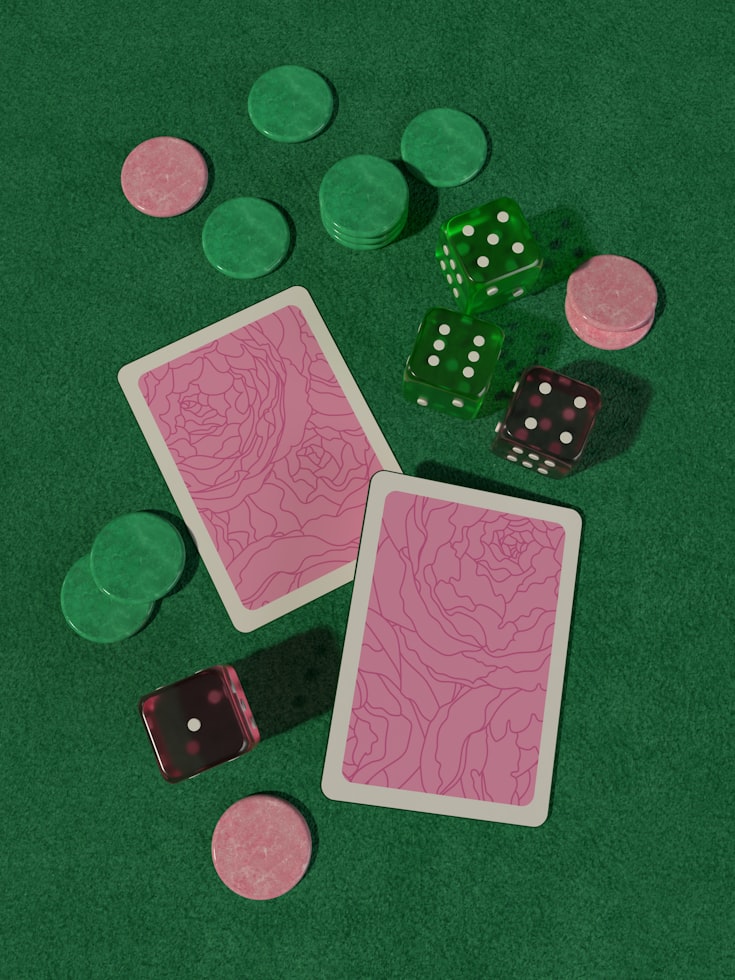
While these strategies can improve a player’s chances, they do not guarantee victory. Casino games are designed with randomness at their core. Even the best strategies can only level the playing field but cannot overcome the inherent advantage that the house has. So, players should approach gaming with realistic expectations and an understanding of the risks involved.
Game Selection Matters
Choosing the right game is crucial for anyone looking to reduce the house edge. Some games are inherently more favorable to players. For instance, video poker, when played with optimal strategy, presents an opportunity for players to engage with a game that can have a very low house edge, often in the single digits. Players skilled in the nuances of the game can manipulate odds to their advantage significantly.
Another key aspect of game selection is understanding the rules and variations within each game. For example, different versions of poker or blackjack can have varying rules that significantly alter the house edge. A player who takes the time to research these differences can select the most advantageous version, thereby increasing their potential for success. This knowledge can provide a pivotal edge, especially in games where player skills can directly influence outcomes.
Moreover, players should also consider the social aspect of the game they choose. While some may find excitement in the fast-paced environment of a slot machine, others may prefer the strategic and social interaction of table games. Choosing a game that aligns with one’s personal preferences can lead to a more enjoyable experience, ultimately allowing for better focus and decision-making while gambling.
Psychological Aspects of Gambling
The psychological elements of gambling play a crucial role in how players interact with the house edge. Many gamblers fall prey to cognitive biases, such as the Gambler’s Fallacy, where they believe that past outcomes will influence future results. This misbelief can lead players to make irrational decisions, potentially increasing their losses. Recognizing and understanding these psychological traps is essential for anyone looking to navigate the gaming landscape effectively.
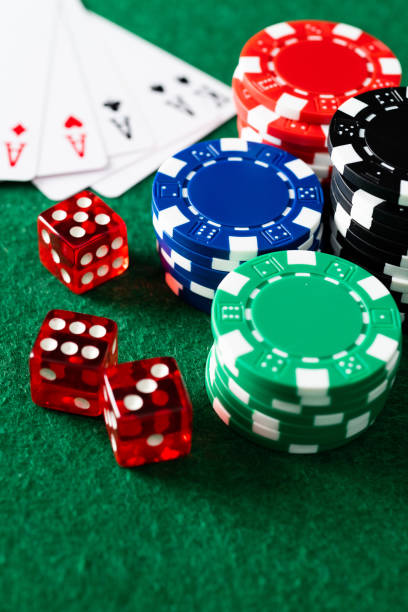
Additionally, emotional factors can heavily influence gambling behavior. Players often experience highs and lows as they win or lose, leading to a rush of thrill or frustration. This emotional rollercoaster can cloud judgment and lead to poor decision-making, such as chasing losses or increasing bets in a desperate attempt to regain lost funds. Developing a disciplined mindset is vital for maintaining control when playing in a casino environment.
Moreover, understanding one’s triggers and practice techniques such as mindfulness can help combat impulsive tendencies. Players who actively cultivate awareness of their emotional state can better manage their betting strategies and maintain a more prolonged and enjoyable gaming experience. Ultimately, gambling should be approached with a clear head and a well-defined strategy to mitigate the influence of emotional biases.
Conclusion: The Reality of Beating the House Edge
In conclusion, while players can adopt various strategies to combat the house edge, the reality remains that the casino inherently maintains a statistical advantage. Understanding concepts like the house edge and making informed choices about game selection can certainly help mitigate losses and enhance the gaming experience. However, it is crucial for players to recognize that no strategy can completely eliminate the risk of losing.
For those who choose to gamble, it’s essential to do so responsibly and for entertainment purposes. Setting limits, knowing when to walk away, and maintaining a keen awareness of both the risks and rewards can lead to a more sustainable approach. While a few might successfully use strategies to beat the odds in the short term, the long-term nature of gambling is designed with the house always coming out ahead.
As you explore the world of casinos and gaming, remember that knowledge is a powerful tool. By familiarizing yourself with various games, strategies, and the psychological implications of gambling, you can enhance your experience. Stay informed, play smart, and always gamble responsibly, knowing that while you can improve your odds, the house edge remains a formidable opponent.